
Biography
Learn about the life and legacy of Britain’s master of the saucy seaside postcards.
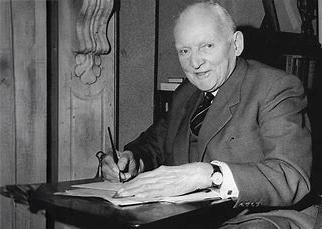
Donald McGill (1875 – 1962) was born in 1875 in London, he initially worked as a Naval draughtsman and aspired to be an architect.
A well-timed cartoon for a sick relative in 1904 led him to his life-long career as a postcard artist.
The Rise of the Saucy Seaside Postcard
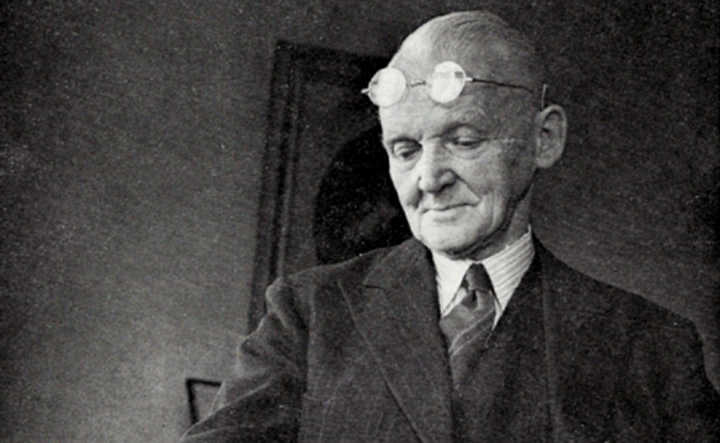
Although his work was often cheeky and sometimes considered vulgar, he himself looked and behaved like a proper Victorian gentleman. People said he resembled a solicitor or even a retired naval officer. He described himself as “rather Victorian in outlook.”
He was always neatly dressed and remained lively and stylish even into his 80s. He was proud of his family background and held strong personal views. He was an atheist, supported women’s suffrage, and had Liberal political beliefs.
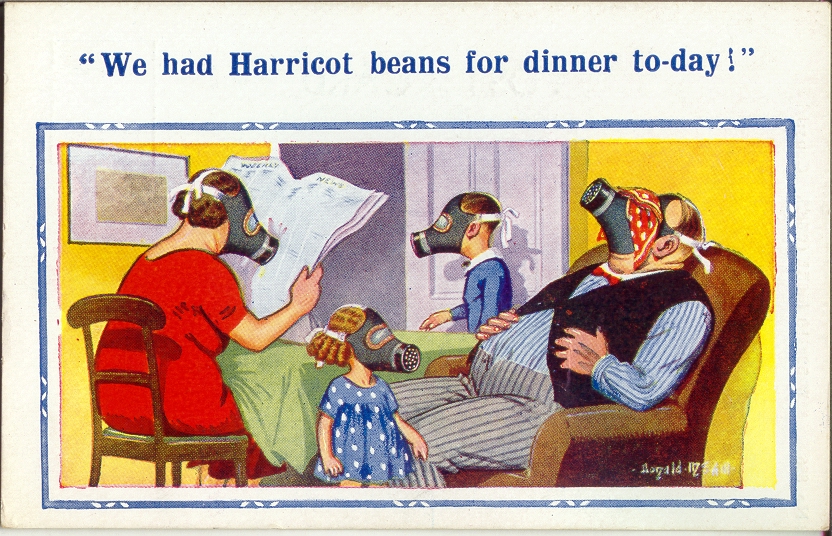
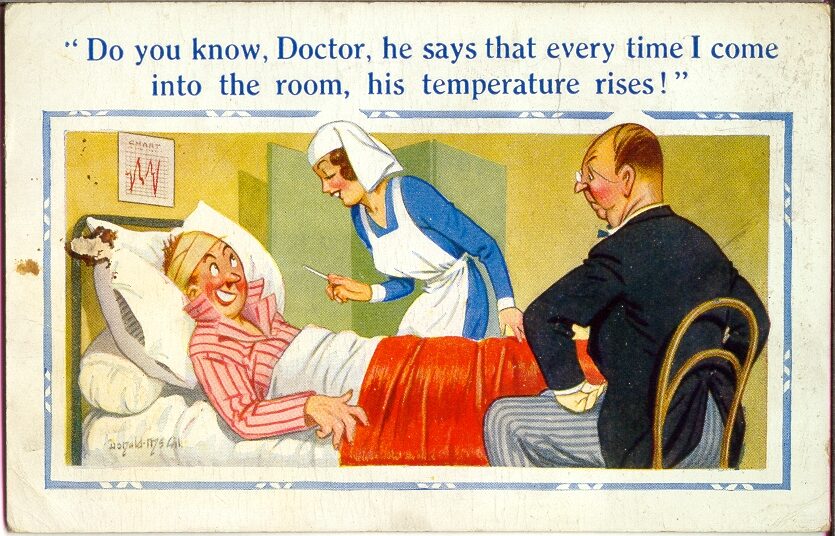
McGill had many interests, including science, medicine, astronomy, and sport. As a schoolboy, he was academically talented, but a serious rugby injury led to the amputation of his left foot. Despite this, he rarely complained, and many people never realised he wore an artificial foot.
He married Florence Hurley in 1900. Her father managed a music hall, and this world of entertainment later inspired many of McGill’s postcard ideas. They had two daughters and a happy marriage. At home, McGill was a devoted father. While working, he liked his daughters to read to him, though they were embarrassed by the comic postcards he created.
Although intelligent enough to run a business, McGill preferred focusing on drawing rather than managing finances. He was usually paid a flat fee per design, while publishers kept the copyright and earned most of the profits, especially when his postcards became very popular in the 1930s and 1940s.
He worked freelance for several companies. One of his most important business partners was Joseph Ascher. They had a long working relationship, but Ascher handled the business side and made most of the money. McGill trusted him and did not question his financial practices, even when the company accounts became disorganised.
In 1939, McGill retired briefly but had to return to work because of financial difficulties.
Censorship & Controversy
D. Constance Ltd. was left in financial chaos just as disagreements between postcard Censoring Committees were disrupting the comic card industry, leading to the 1954 Lincoln “show” trial. At 76, Donald McGill joined Ernest Maidment in managing the struggling company and resolving the problems left by Ascher. Soon after, his wife became seriously ill, and he accepted reduced pay to care for her until her death the following year.
Hoping to bring consistency to censorship, McGill and Maidment helped establish clearer guidelines by supplying copies of their published cards and previous censorship decisions. When called to appear at the Lincoln trial, McGill was ready to defend his work against charges of obscenity but worried the case might reveal how poorly he had been paid. Despite these challenges, he continued managing the company, designing postcards, and addressing censorship issues.
He was later asked to give evidence before the House Select Committee in order to amend the 1857 Obscene Publications Act, which he did, as he felt that a national system of censorship could not work due to the vagaries of individual interpretation. The subsequent amendment of the Act meant that censorship was relaxed and novels such as ‘Lady Chatterley’s Lover’ were made available to the general public for the first time.
Legacy
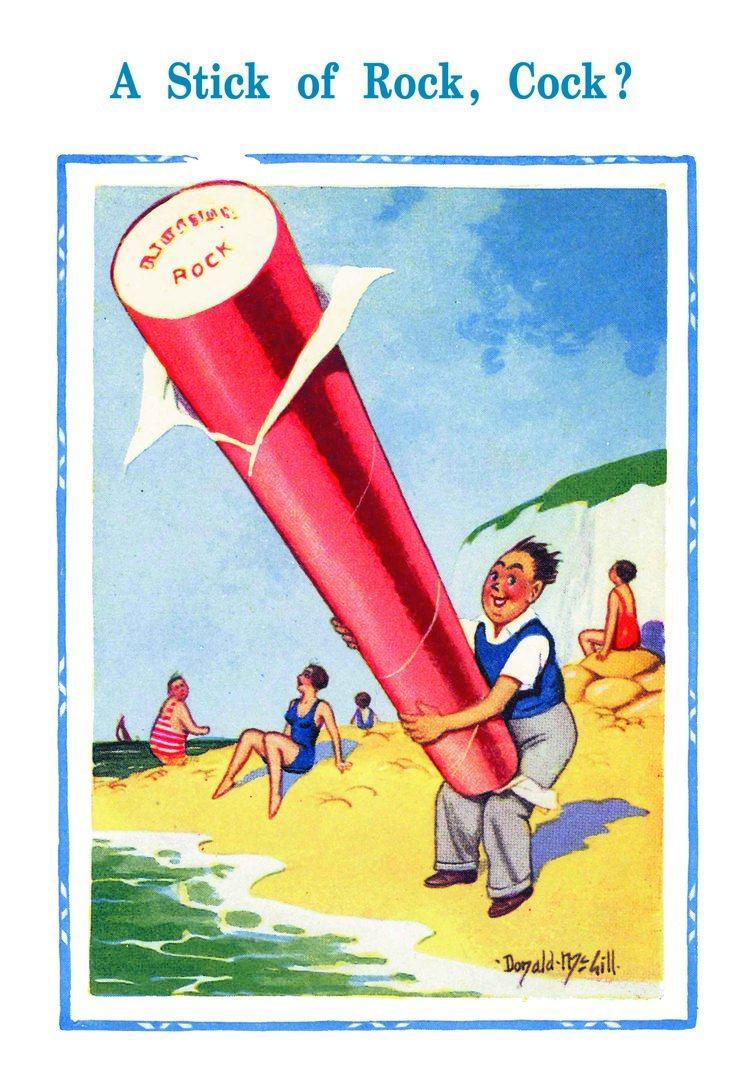
After his death, his postcards continued to be sold for a few years. Today, his original artworks, which once earned him only a few pounds each, sell for thousands at auction.
Although famous for humorous postcards, McGill always considered himself a serious man and wished he had been known for more artistic work, such as sporting caricatures or oil paintings. He died in 1962 at the age of 87 and is buried in an unmarked grave.
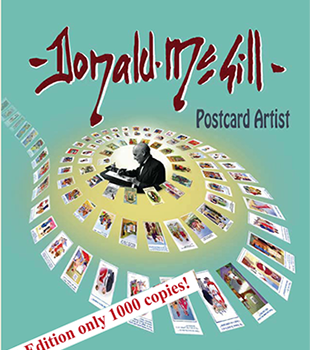
POSTCARD ARTIST an ILLUSTRATED BIOGRAPHY
In this meticulously researched book, surprisingly the first full-scale biography of such an important illustrator, Bernard Crossley tells the story of his extraordinary life.
Copiously illustrated and including many full-colour reproductions of postcards from all periods of his career, the book paints for the first time a detailed and fascinating portrait of a major illustrator of the twentieth century whilst also presenting a wide-ranging selection of his work to enjoy.